STOEP COLLECTIVE JOURNAL
Field-notes, missives, essays, reviews and fragments from our studio, collaborators and collective
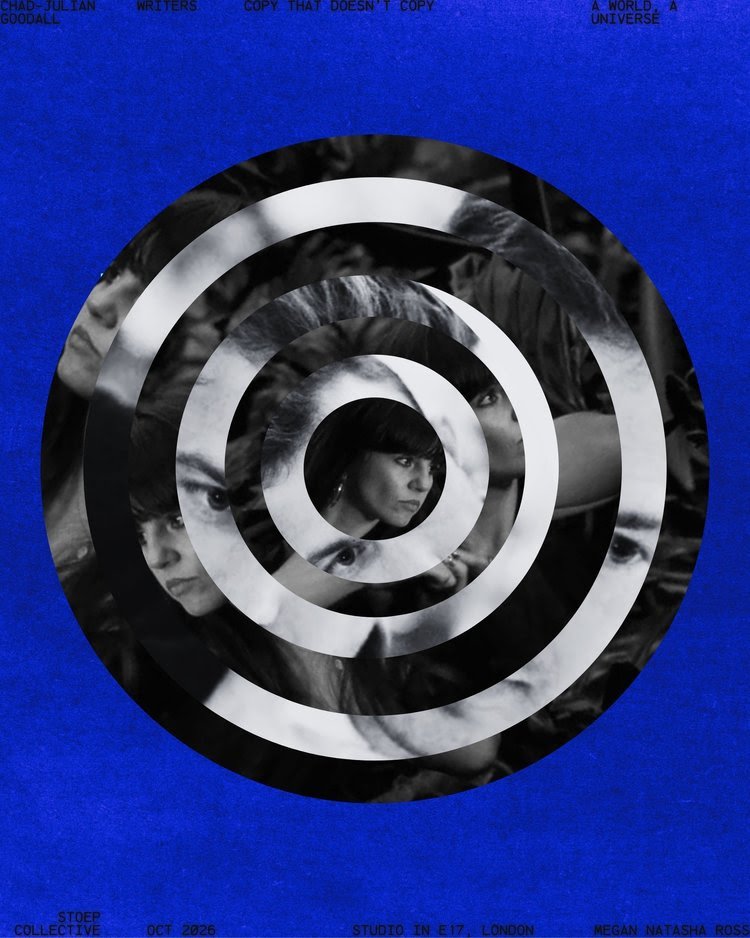
“Blue you feel when it all goes wrong”
In our industry there is colour theory: hex codes and CMYK, RGB (and where a spot colour might go awry during print). There are branding guidelines and evocations of colour in writing, in the emotional weight of a single hue woven into our work, our art, our lives.
And so, in line with our commitment to the natural world around us, to colour and wildlife, fauna and flora alike, we share a short meditation on blue.
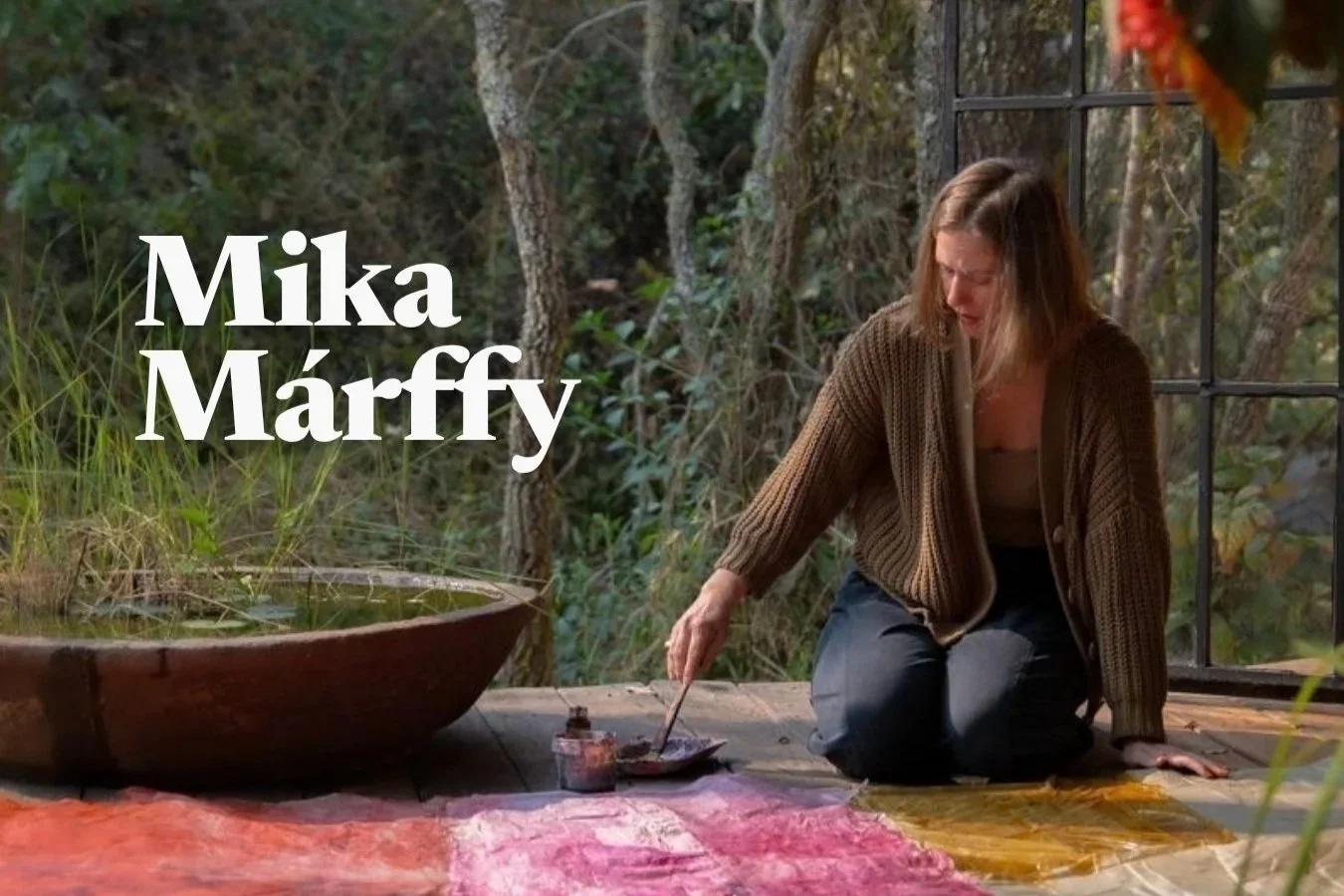
“A Murmur Akin to Water’s Movement”
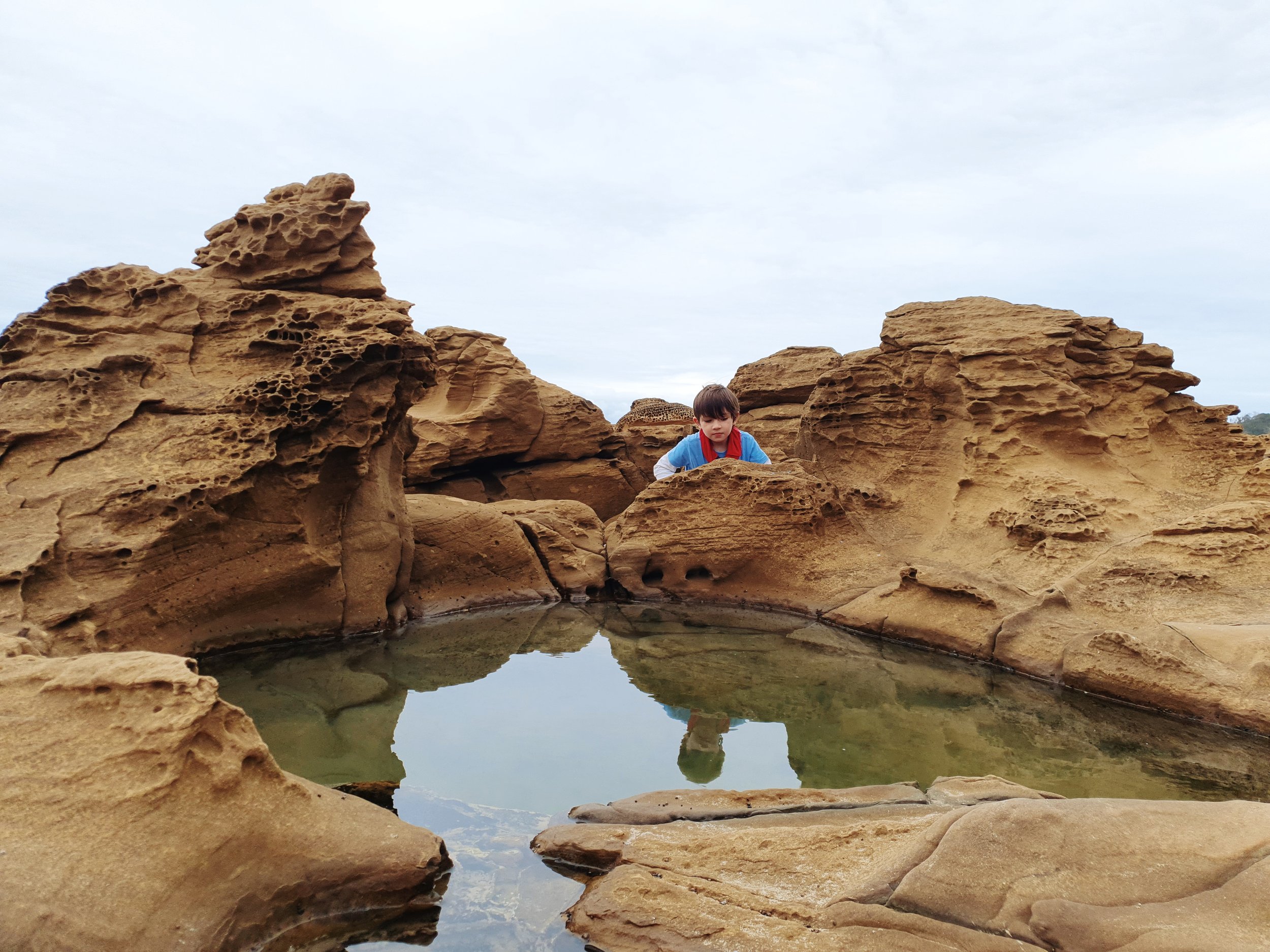
“I allowed myself to start building up a body of work that fell outside of all the conventions and expectations that I had absorbed up to this point, and to deconstruct or dismantle the inner voices of what was considered ‘good enough’ — I took a great big hammer to all I had learned up to that point, not only in terms of painting but also in terms of my innermost self, and it felt terrifying to dive into the deep end like that, but from that process I allowed for a space to open that was intuitive, spontaneous, almost mediumistic in the way that the work began to form itself from all that I had been collecting: thoughts, feelings, memories, resonances; all the many perceptions that I had collected like treasures over the years started to pour themselves out onto the canvas.”
And So, We Enter the Threshold
In September I had some intense — and fascinating — conversations: chats with filmmakers and producers, artists and writers, agents and designers. A recent one, with an old friend and artist I truly love, the Zambian painter, Mika Márffy (more on Mika toward the end of this email), got me thinking about thresholds, about the in-between, and why this liminal space was so integral to creating Stoep Collective in the first place. The best conversations make you do something, even if the ‘something’ in question is just daydream a little or get lost in thought. So, in addition to doing both after all this dialogue, I also carved out a new slice of the internet — that ever-strange, seemingly-dying space — on Mother of Pearl (my Substack). It’s a space to do what I call “meditating-in-action”; a digital place to deepen the relationship between method and madness, art and content, writing and copy. A means of bridging these worlds, if you like.
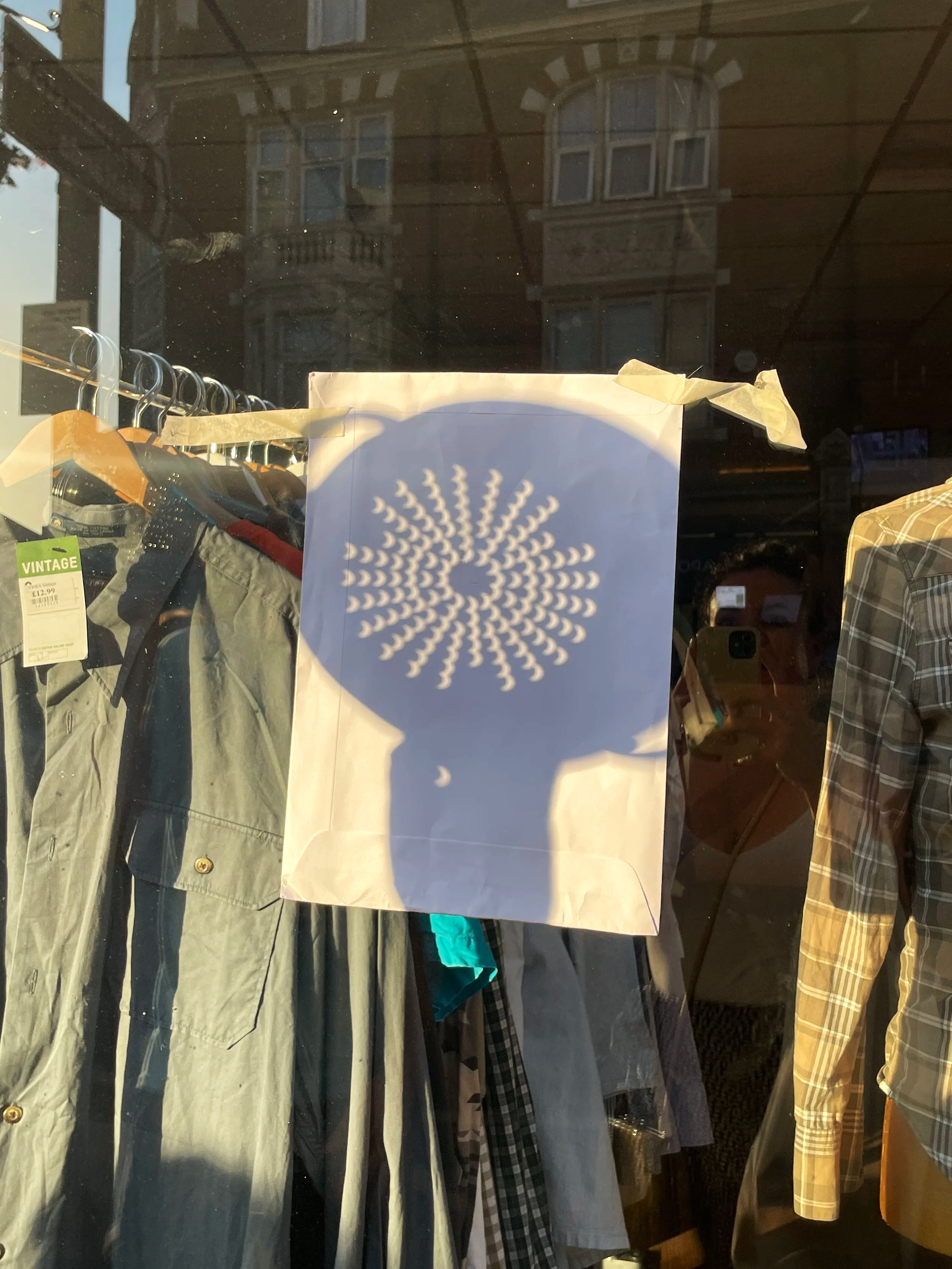
A Colander, An Eclipse
“In my maternal family, stars are stand-ins for currency; celestial bodies are psychic anchors for the self. A lineage braided with a twinned reverence for science and mysticism, for natural phenomena and mathematics, is how it came to be that so many of my cousins and I are writers, filmmakers, explorers, travellers, scientists and surgeons. We’ve been shaped by keen curiosity and a seismic hunger to inhabit the wonders of the universe, an inclination not without its tendency towards melancholy (and madness, admittedly).
Stoep Collective is that baby now, a world-building studio quite literally made for dreaming, imagining and slowing down. As we narrow our attention on the beauty in front of us: a budding tomato plant, a kitten’s paw, the arc of cumulonimbus across the deep-blue sky, the world slows down. Deeper space opens, time becomes ample, realities shift.”
These Notes Are Yours
“Ultimately, field notes are archives, and archives are loaded with all the charges of history and place, and biases of the very-fallible humans who write them. We hope, though, that you read These Notes Are Yours in the spirit that it is shared: to help you make meaning, and produce poetry, and publish your work, from what might otherwise pass unnoticed.”
Poet Interview: Helen Moffett
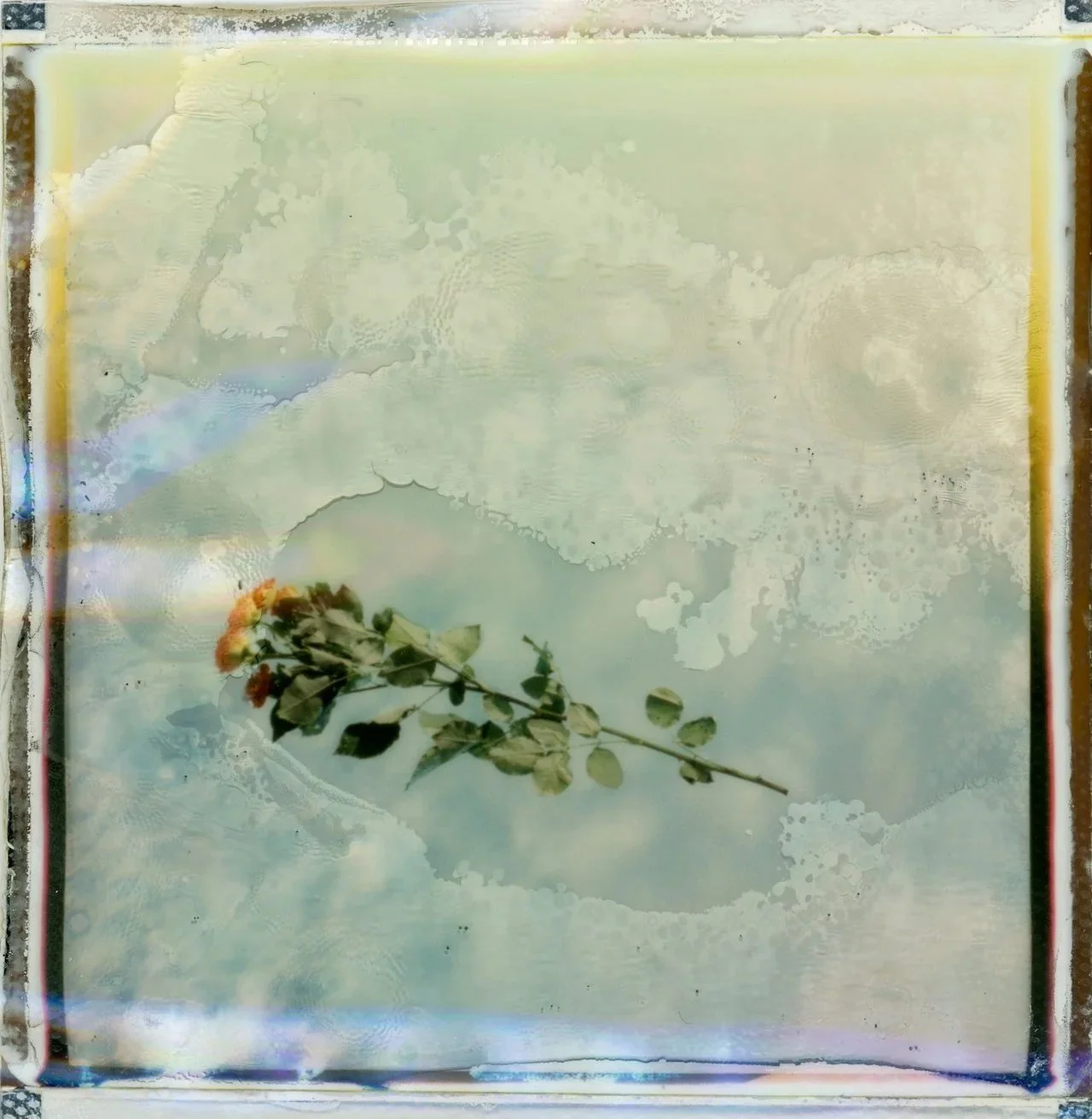
“So, to put it mildly, Strange Fruit changed my life. And this is why we should write poetry, why we must keep publishing it. I have a poem in progress about how years, decades after writing a poem, it can still bring someone to your door, following the silk rope of your words. Write that poem.”
Poet Interview: Manti Moila
“I sometimes have trouble contending with the natural world in all its glorious terror. Houseplants are a manicured, clamped down version of nature that affords people some of the benefits of nature – beauty, calm etc. – without having to deal with the threatening aspects. The word ‘bound’ makes up half of the title for a reason: I love my houseplants, and my plant poems, but there’s something to be said about how we are incapable of reigning over nature, even in language; or especially in language.”
Poet Interview: Sihle Ntuli
“I believe in craft insofar as working towards the mastery of it. I understand the importance of each chapbook and collection I have written, and how they have each contributed to my journey. So to say ‘departure’ would be to premeditate that Owele would be on a road of its own; while this may indeed be the case, it's still very much part of the same legacy.”
Poet Interview: Kobus Moolman
“Phew! I love all your questions, Megan. But they are exhausting. Exhausting because they take me to the real deep centre, the challenges I struggle through on a daily basis… Literature and art is one of the fundamental ways of doing this.”
Writers and Contributors
-
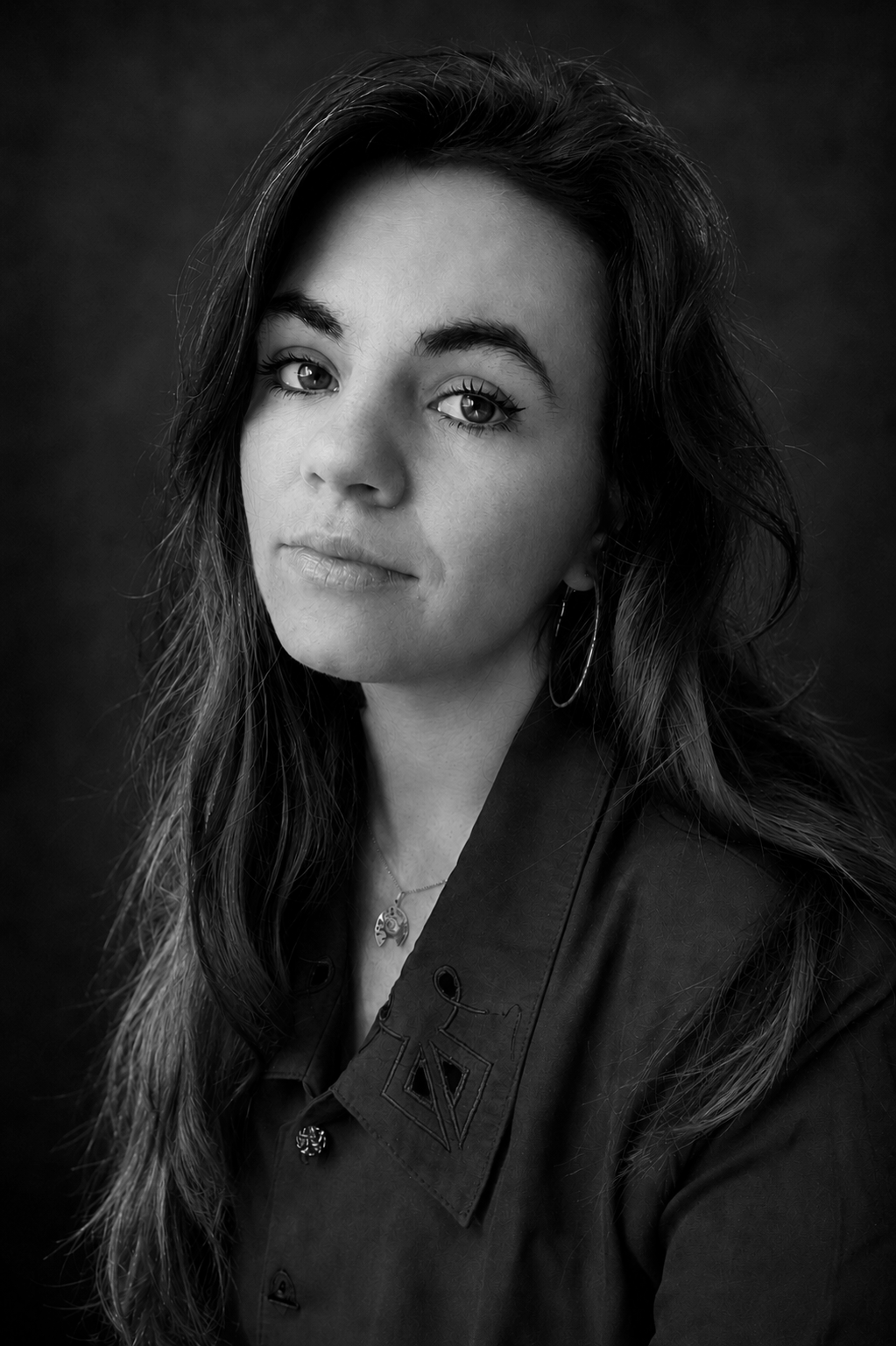
Megan Natasha Ross
Co-Founder and Narrative Lead
-
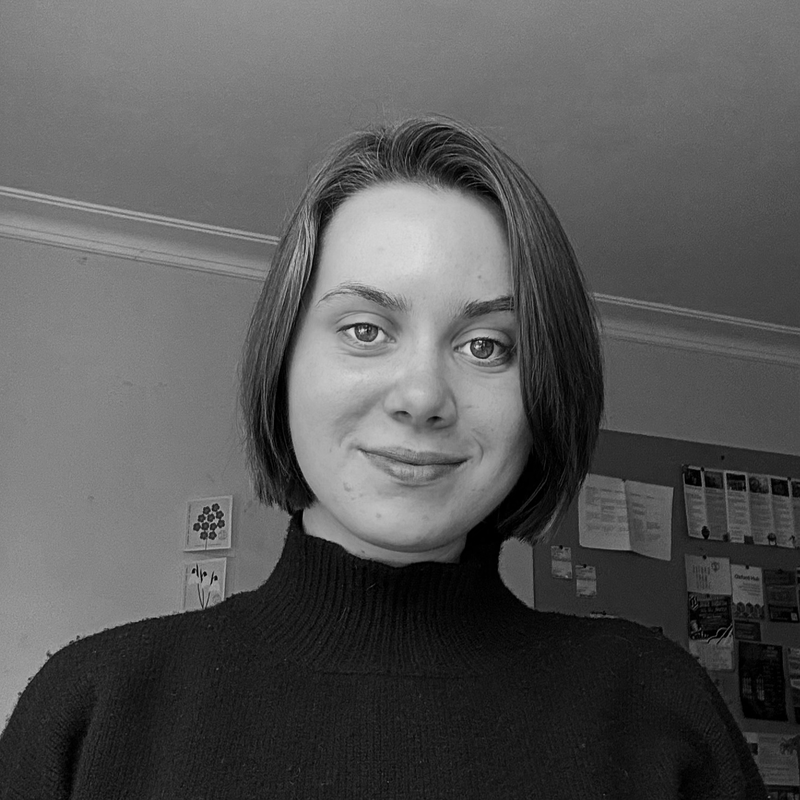
Niamh Ahern
Stoep Collective Contributor
Writer, Editor & Researcher